
Building a new home is exciting, but one issue many people overlook is fire ant prevention. Fire ants are more than just a nuisance, they can delay construction, create compliance risks for builders, and often require professional fire ant treatment before the problem spreads further.
Construction sites are especially attractive to fire ants because of disturbed soil, imported fill, landscaping materials, and constant movement of machinery. These conditions make it easy for infestations to spread unnoticed.
For builders, failing to meet fire ant compliance requirements can result in costly delays, fines, and legal issues. For homeowners, moving into a newly built property without proper prevention measures can mean dealing with infestations almost immediately.
Understanding how fire ants enter new builds, what regulations apply, and why pre-construction inspections matter is essential for protecting both the project and the property.
Why Construction Sites Attract Fire Ants
Fire ants thrive in disturbed environments, which makes building sites one of their preferred locations.Because many builders mistake them for regular ants, learning how to identify fire ants early can prevent serious construction delays. Open soil, excavation work, imported topsoil, sand, gravel, mulch, turf, and landscaping materials all create ideal nesting opportunities. Fire ants often nest beneath building materials, rocks, timber, or within soil stockpiles where they can remain hidden until the site is disturbed.
According to the National Fire Ant Eradication Program, common fire ant carriers include soil, mulch, quarry products, recycled aggregate, turf, potted plants, manure, and green waste. Moving these materials without proper checks can easily spread infestations from one site to another.
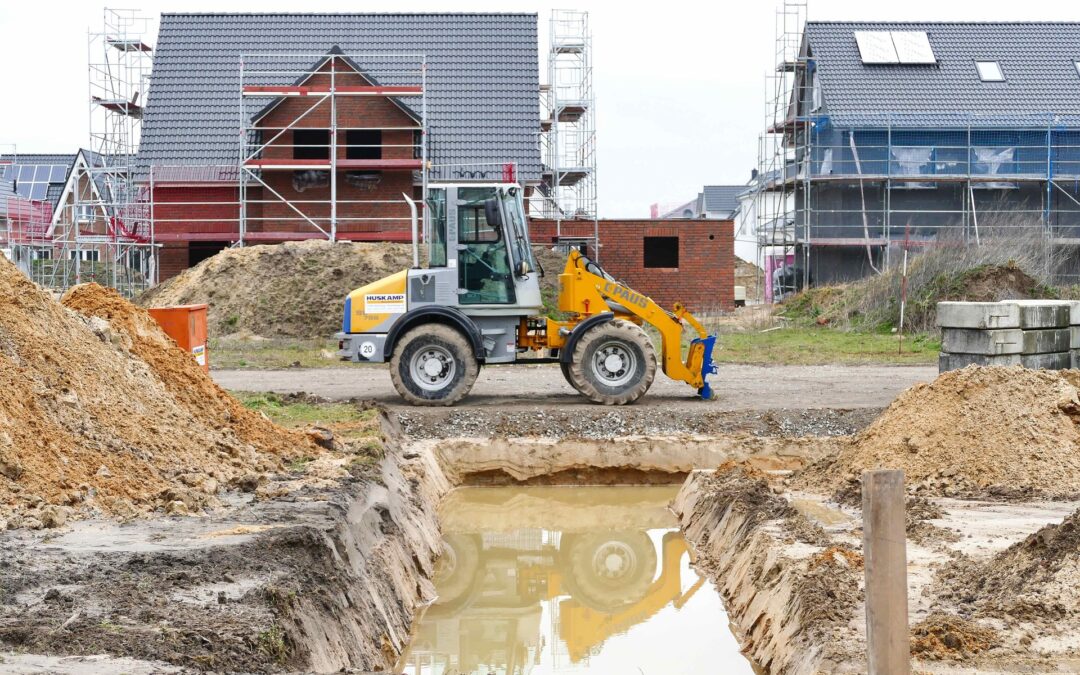
Heavy equipment also contributes to the problem. Excavators, wheelbarrows, loaders, and other machinery can carry soil and organic matter where fire ants may be nesting. If equipment is moved off-site without cleaning, the infestation can spread to the next project.
This is why builders should never assume a vacant block is pest-free simply because it looks clear.
How Fire Ants Enter New Builds
Fire ants typically enter construction sites through three main pathways.
1. Imported Soil and Fill Materials
Bringing in fill dirt, topsoil, sand, or gravel from another location is one of the biggest risks. If those materials come from a fire ant biosecurity zone and have not been properly treated, nests can be introduced directly onto the site.
Even small amounts of contaminated soil can start a new infestation.
2. Landscaping Products
Turf, mulch, potted plants, and nursery stock are also high-risk materials. Fire ants commonly nest in root systems and organic matter, especially when moisture is present.
This means the final landscaping stage of a build can accidentally introduce ants even if the construction phase was clean.
3. Machinery and Equipment
Construction equipment that has worked on infested land may transport ants through attached soil or debris. This is particularly common with excavation machinery and trailers used between multiple projects.
Without proper inspection and cleaning, fire ants can move with the equipment rather than the soil itself.
Builder Fire Ant Requirements and Compliance
Builders working in or near fire ant biosecurity zones must follow strict compliance requirements. Understanding local regulations and maintaining proper documentation is essential for meeting biosecurity compliance requirements and avoiding costly delays or penalties.
In Queensland, everyone has a General Biosecurity Obligation (GBO), which means they are legally responsible for taking all reasonable and practical steps to minimise biosecurity risks. This includes preventing the spread of fire ants.
This applies to builders, developers, landscapers, contractors, and suppliers.
Key Compliance Requirements Include:
Inspect Before You Dig
Before excavation begins, the site should be checked for fire ant activity, especially around disturbed soil, stockpiles, fence lines, and moist shaded areas.
Suspicious nests should be reported immediately.
The National Fire Ant Eradication Program advises reporting sightings within 24 hours by calling 132 ANT or submitting an online report.
Follow Movement Controls
If moving soil, mulch, quarry products, turf, or other fire ant carriers from a biosecurity zone, builders must comply with the Biosecurity Regulation 2016.
This may require approved treatment methods, documentation, and transport records depending on the material and location. Some stockpiles must be vigorously disturbed at least every 21 days and at least 24 hours before transport.
Clean Machinery Before Moving Off-Site
All equipment must be checked and cleaned to ensure it is free from soil and nesting material before relocation.
This includes excavators, slashers, wheelbarrows, and site vehicles.
Use Approved Treatment Methods
If fire ants are found, treatment must follow approved protocols. In some treatment areas, property owners can self-treat or use a pest manager. In eradication treatment zones, the National Fire Ant Eradication Program must handle treatment.
Failing to comply can lead to significant penalties, project delays, and site shutdowns.
Why Pre-Construction Inspections Matter
A pre-construction fire ant inspection is one of the most important steps in protecting a new build. Before bringing in topsoil or fill materials, booking a fire ant inspection helps ensure the site is free from hidden nests and compliance risks.
Many infestations are discovered too late after slabs are poured, landscaping is complete, or homeowners have already moved in. At that stage, treatment becomes more disruptive and far more expensive.
An early inspection helps identify:
- existing nests on vacant land
- high-risk imported materials
- nearby infestations from neighbouring properties
- hidden nesting areas under debris or vegetation
- compliance risks before site works begin
This allows builders to address the issue before construction progresses.
Think of it the same way as termite inspections before slab preparation. It is far easier to prevent than to fix later.
In fact, authorities have reported multiple new fire ant outbreaks on residential construction sites outside official containment zones, showing that new developments remain a major risk area.
How New Homeowners Can Prevent Future Infestations
Even after construction is complete, homeowners still need to stay proactive.
Fire ants can arrive later through neighbouring properties, new landscaping, or contaminated materials brought in during renovations.
Be Careful with Landscaping Additions
If adding garden beds, turf, mulch, or potted plants after moving in, make sure materials come from trusted suppliers who follow fire ant compliance requirements.
Avoid unknown soil sources or cheap bulk fill from unverified providers.
Monitor Outdoor Areas Regularly
Check lawns, garden beds, retaining walls, fence lines, and paved edges for unusual mounds or ant activity.
Early detection makes treatment far easier.
Keep the Yard Well Maintained
Long grass, unmanaged garden waste, and neglected corners can create favourable nesting conditions.
Regular maintenance reduces the likelihood of fire ants settling on the property.
Act Quickly if You Suspect Fire Ants
Do not disturb the nest aggressively, as this can cause the colony to spread.
Instead, report the issue and seek professional pest management advice immediately.
Fast action protects not only your home but also neighbouring properties.
Prevention Is Always Cheaper Than Treatment
Fire ant prevention for new builds should never be treated as an optional extra.
For builders, it protects compliance, timelines, and project costs. For homeowners, it prevents long-term pest issues and expensive remediation after moving in.
The biggest mistake is assuming fire ants are someone else’s problem.
Because construction sites involve constant movement of soil, machinery, and landscaping materials, they are one of the highest-risk environments for infestations. Prevention must start before the first dig, not after the first sting.
At The Fire Ant Guys, we help builders and homeowners stay ahead of infestations with thorough inspections, biosecurity compliance support, and effective treatment strategies designed to protect new builds from day one.
A proper inspection, compliance planning, and ongoing monitoring can save significant time, money, and stress.
When it comes to construction site fire ants, early prevention is not just best practice, it is essential.