
Recent reports of fire ants being discovered in an inner Brisbane park have raised fresh concerns for homeowners across South East Queensland. For many residents, the detection is a reminder that fire ants are no longer just an issue affecting outer suburbs or rural areas. As fire ants continue appearing in more locations across Brisbane, staying alert to the warning signs has become increasingly important for homeowners, businesses, and property managers alike.
The discovery at Musgrave Park follows ongoing fire ant detections across parts of Queensland and highlights how easily these invasive pests can spread into busy residential and public spaces. While authorities continue treatment and monitoring efforts, early fire ant inspections can help identify suspicious activity before infestations become more established
At The Fire Ant Guys, we regularly speak with Brisbane residents who are unsure whether the ants they’re seeing are fire ants or simply common native ants. Knowing what to watch for can help homeowners respond quickly and avoid disturbing potentially dangerous nests.
Why Fire Ants Are a Concern in Brisbane
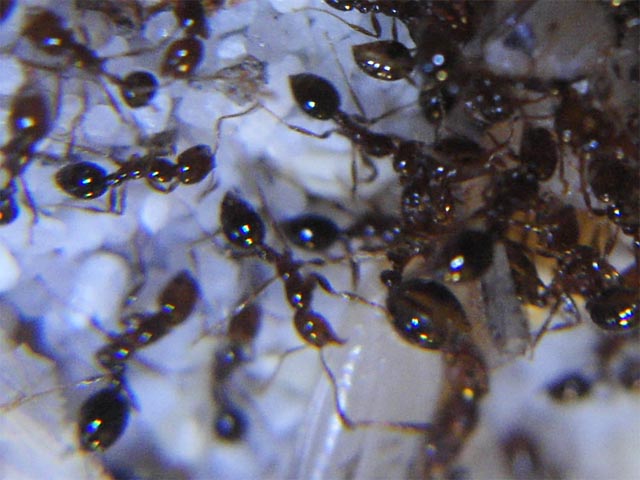
Photo of Solenopsis species (likely Solenopsis invicta / fire ants) by Mario Dejung (Wuermchenmario), originally uploaded to German Wikipedia and transferred to Wikimedia Commons. Licensed under CC BY-SA 3.0 and GNU Free Documentation License. Source: Wikimedia Commons.
Unlike many common ants found around homes and gardens, fire ants are considered a serious invasive pest species. They are known for their aggressive behaviour, painful stings, and ability to spread rapidly through disturbed environments.
Fire ants can:
- Build large colonies quickly
- Spread through soil movement and landscaping materials
- Swarm aggressively when disturbed
- Sting repeatedly in large numbers
- Establish nests in residential areas, parks, sporting fields, and gardens
Queensland’s climate creates favourable conditions for fire ants to survive and expand, which is one reason authorities continue closely monitoring detections across South East Queensland.
For homeowners, the biggest concern is often how easily fire ant nests can go unnoticed until colonies become more established.
Why Inner Brisbane Detections Matter
Many Brisbane residents associate fire ants with outer suburban or regional areas. However, recent detections in inner-city locations show that fire ants can potentially appear in a wide range of environments.
Busy urban areas often involve:
- Landscaping and construction activity
- Soil and turf movement
- Park maintenance
- High foot traffic
- Shared outdoor spaces
These conditions may increase the chances of accidental spread if contaminated materials are unknowingly moved between sites.
For homeowners, this means vigilance is important even in suburbs that may not previously have been considered high-risk areas.
What Fire Ants Look Like
One of the biggest challenges with fire ants is that many common ants can look similar at first glance.
Fire ants are typically:
- Reddish-brown in colour
- Small in size
- Found in varying worker sizes within the same colony
- Fast-moving and highly aggressive when disturbed
Their nests are often:
- Dome-shaped
- Made from loose soil
- Lacking obvious entry holes
- Found in sunny, open areas
One important identifying feature is worker size variation. Fire ant colonies often contain ants of noticeably different sizes moving together around the same mound.
However, identifying fire ants based on appearance alone can still be difficult without professional assessment, as several native ant species found around Brisbane can look similar at first glance. If you’re unsure, you can explore our guide on what fire ants look like to learn more about their key identifying features and common warning signs.
Common Warning Signs Homeowners Should Watch For
As fire ants continue spreading across parts of Brisbane, homeowners should pay attention to unusual ant activity around their property.
Some of the most common warning signs include:
Aggressive Swarming Behaviour
Fire ants are extremely defensive of their nests. When disturbed, they often swarm upward aggressively rather than scattering away.
This behaviour is one of the clearest differences between fire ants and many common household ants.
Painful Stings
Unlike ordinary ants that may simply bite, fire ants can sting repeatedly. Their stings are often described as painful burning sensations that may later develop into raised white pustules.
Loose Soil Mounds
Fire ant nests may appear as fluffy or freshly disturbed soil mounds without visible openings.
These mounds can sometimes be mistaken for ordinary soil disturbances or small garden piles.
Multiple Ant Sizes
Many common ant species have workers that appear similar in size. Fire ant colonies often contain workers ranging from very small to noticeably larger ants within the same nest.
Where Fire Ants Are Commonly Found
Fire ants are often attracted to open sunny areas and disturbed ground.
Potential nesting areas around Brisbane homes may include:
- Front and back lawns
- Garden beds
- Footpaths
- Retaining walls
- Driveway edges
- Turf areas
- Construction zones
- Outdoor play areas
They may also appear in parks, sporting fields, schools, and commercial properties.
Because smaller nests can be difficult to notice initially, regular property checks are important — especially after landscaping work or soil movement.
How Fire Ants Spread
One reason fire ants remain difficult to control is their ability to spread through human activity.
Colonies may be transported through:
- Soil movement
- Turf and landscaping supplies
- Mulch and quarry products
- Potted plants
- Construction equipment
- Floodwaters and heavy rain events
Even small amounts of contaminated soil can potentially contribute to new infestations.
This is why recent detections in Brisbane parks and residential areas continue to raise concern among pest professionals and biosecurity authorities. Residential fire ant treatment may be necessary if active nests are found around lawns, gardens, or outdoor entertaining areas. Construction sites can also increase the risk of fire ant spread through contaminated soil and landscaping materials.
What To Do if You Suspect Fire Ants
If you notice suspicious ant activity on your property, avoid disturbing the nest unnecessarily.
Do not:
- Kick or dig into the mound
- Pour chemicals directly onto the nest without advice
- Attempt to move soil or landscaping materials
- Handle ants directly
Disturbing a fire ant nest can trigger aggressive swarming and increase the risk of multiple stings.
Instead:
- Take clear photos or videos from a safe distance
- Note the nest location
- Arrange professional identification
- Report suspected sightings where appropriate
Early action can help reduce the risk of colonies spreading further across the property or nearby areas.
Why Professional Identification Is Important
Many Brisbane ant species can appear similar to fire ants, especially to homeowners unfamiliar with pest identification.
Some commonly mistaken species include:
- Coastal brown ants
- Meat ants
- Black house ants
- Bull ants
Professional identification looks beyond colour alone and considers:
- Nest structure
- Swarming behaviour
- Worker size variation
- Colony activity
- Geographic location
Accurate identification is important because unnecessary DIY treatment can sometimes make infestations harder to manage.
Fire Ant Risks for Families and Pets
As fire ants spread into more urban environments, concerns around family and pet safety continue growing.
Fire ants may pose risks in areas where people frequently spend time outdoors, including:
- Backyards
- Parks
- Sporting fields
- Schools
- Dog parks
- Outdoor entertaining areas
Pets investigating nests can sometimes receive multiple stings, while children playing near mounds may accidentally disturb colonies without realising.
This is one reason why early detection around residential properties is so important.
Preventing Fire Ant Activity Around Your Property
While fire ants require specialised management, there are still some practical steps homeowners can take to reduce risks around their property.
Helpful prevention measures may include:
- Monitoring lawns and gardens regularly
- Checking newly delivered soil, mulch, or turf
- Keeping outdoor areas well maintained
- Watching for unusual mound activity
- Avoiding unnecessary movement of soil materials
- Arranging inspections if suspicious nests appear
Routine inspections may help identify unusual pest activity before colonies become larger and more difficult to manage.
Final Thoughts
The recent fire ant detection in inner Brisbane is another reminder that these invasive pests remain an ongoing concern across South East Queensland. While many ants found around homes and gardens are harmless, fire ants behave very differently and can become a serious problem if left untreated.
Key warning signs often include aggressive swarming behaviour, painful stings, varying worker sizes, and loose mound-style nests in open sunny areas.
If you suspect fire ants around your home or property, it’s always best to have them professionally identified before attempting treatment yourself.
At The Fire Ant Guys, we specialise in professional fire ant inspections, identification, and treatment across Brisbane and surrounding areas. If you’ve noticed suspicious ant activity around your property, our team can help confirm whether fire ants are present and recommend the safest next steps before the infestation spreads further.