
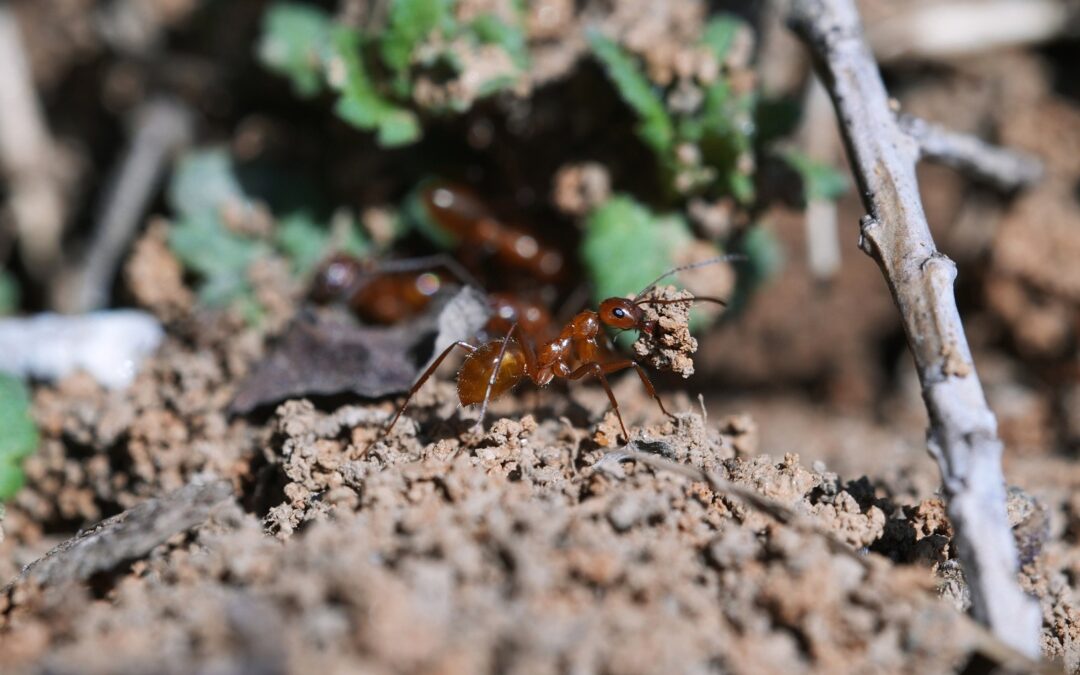
Many homeowners feel frustrated after treating fire ants, only to notice new mounds appearing weeks or months later. It often feels like the problem was never solved in the first place. In reality, recurring fire ant infestations are very common, especially in areas across Queensland where conditions are ideal for colonies to thrive.
Fire ants are not like ordinary garden pests. They are highly aggressive, reproduce quickly, and can establish multiple colonies across a single property and surrounding neighbourhoods. Even after successful treatment, there are several reasons why fire ants keep coming back.
Understanding the real cause of re-infestations is the first step toward long-term control. Whether the issue comes from hidden satellite nests, untreated neighbouring properties, or environmental factors, proper prevention strategies can make a major difference.
If you are still dealing with recurring fire ant infestations, this guide explains why it happens and how to prevent fire ants long term.
Fire Ant Colonies Are Often Larger Than They Appear
One of the biggest misconceptions about fire ants is assuming that a single mound means a single colony. In many cases, what you see on the surface is only a small part of a much larger underground network. We explain more about this in our guide on how fire ants spread across properties.
Fire ant colonies can spread far beyond the visible mound. Some colonies develop secondary nests, also known as satellite colonies, which may not have obvious surface signs at first. These smaller nests continue growing quietly and can quickly become a major problem if left untreated.
This is one reason DIY treatments often fail. Treating only the visible mound may reduce activity temporarily, but it does not always eliminate the entire colony. Professional fire ant identification and eradication is often the best solution when colonies keep reappearing after DIY treatment.
Without addressing the full colony structure, fire ants can return faster than most homeowners expect.
Secondary Colonies and Budding Behaviour
Fire ants have a natural ability to create new colonies through a process called budding. This happens when part of the colony separates and forms a new nest nearby.
Instead of relying only on winged queens to start fresh colonies, fire ants can split from an established nest and relocate to another part of the yard. This makes infestations harder to control because multiple active colonies may exist at once.
Budding often happens when colonies are disturbed. For example, digging into a mound, flooding it with water, or using ineffective store-bought treatments can trigger ants to relocate rather than die off.
This is why professional treatment methods focus on colony elimination rather than simply disturbing the mound.If you are comparing treatment options, our article on fire ant treatment methods explains which options actually work best.
Without proper treatment, secondary colonies continue expanding and create the impression that fire ants have “returned” when they were never fully gone.
Nearby Properties Can Re-Introduce Fire Ants
Even if your own yard has been treated successfully, neighbouring properties can still cause recurring fire ant infestations.
Fire ants do not respect fences or property boundaries. Colonies in nearby yards, vacant land, parks, or roadside areas can easily spread back into your lawn.
This is especially common in suburban Brisbane where connected gardens, shared fences, and open green spaces allow ants to move freely between properties.
If one property receives treatment but surrounding areas remain untreated, the risk of re-infestation stays high. New queens can establish colonies nearby, or workers can expand existing nests into your yard over time.
This is why large-scale fire ant management often works best when neighbours are also aware of the issue and take action together.
For severe infestations, coordinated treatment across multiple properties creates much better long-term results than isolated treatment.
Weather and Seasonal Conditions Help Colonies Recover
Queensland’s warm climate creates ideal conditions for fire ants almost year-round. Temperature, rainfall, and soil moisture all influence how quickly colonies recover and spread.
After heavy rain, fire ants often rebuild aggressively. Flooding can force colonies to relocate, leading to new mound activity in unexpected parts of the yard.
Warm temperatures also support faster breeding cycles, which means colonies can recover quickly if treatment is incomplete.
Dry conditions may seem like they would reduce activity, but fire ants often move deeper underground and remain active below the surface. Once conditions improve, visible mounds can reappear.
This seasonal cycle causes many homeowners to believe treatment has failed when colonies were simply less visible for a period of time.
Understanding how weather affects fire ant behaviour helps explain why monitoring should continue even after treatment appears successful.
DIY Treatments Often Miss the Root Problem
Many people first try to solve fire ant problems themselves using boiling water, garden sprays, powders, or supermarket bait products. While these methods may kill visible workers, they rarely eliminate the queen.
As long as the queen survives, the colony survives.
Boiling water can scatter ants and trigger colony movement. Surface sprays often kill only foraging ants while leaving the nest intact underground. Incorrect bait application can also make treatment ineffective, especially if the wrong product is used at the wrong time.
This creates a cycle where the mound disappears briefly, then returns weeks later.
Professional fire ant treatment focuses on eliminating the queen and targeting the full colony structure rather than just surface activity.
This is one reason recurring fire ant infestations are so common after DIY attempts.
Untreated Soil and Landscaping Can Hide Activity
Fire ants are attracted to loose, disturbed soil. Landscaping projects, new garden beds, fresh mulch, and recently laid turf can all create ideal nesting conditions.
Sometimes homeowners unknowingly provide perfect environments for new colonies to establish.
Construction work, soil movement, and imported landscaping materials can also introduce fire ants from other locations. This is particularly important for larger residential properties and new developments.
Even if the visible infestation has been treated, nearby untreated soil can still support hidden colony growth.
Regular inspection of garden edges, retaining walls, turf boundaries, and fence lines helps identify new activity early before major mounds form.
Long-term prevention is not just about removing ants. It also involves reducing the conditions that make your property attractive to them.
Lawn Maintenance Plays a Bigger Role Than Most People Think
Overgrown lawns, excess debris, and unmanaged garden spaces create shelter for fire ants and make early detection harder.
Keeping lawns maintained does not eliminate fire ants completely, but it improves your ability to spot new mound activity quickly and reduces hiding spaces around the property.
Simple steps such as regular mowing, trimming vegetation, clearing fallen branches, and avoiding standing water can support long-term prevention.
Drainage is especially important because poorly drained areas often become ideal nesting zones after rainfall.
Routine property maintenance makes professional treatment more effective and reduces the chance of hidden re-infestations.
Prevention Requires Ongoing Monitoring
One of the biggest mistakes homeowners make is assuming treatment is a one-time fix.
Fire ant management is an ongoing process, not a single event. Even after successful treatment, regular monitoring is essential.
This does not mean constant chemical treatment. It means checking your property for early warning signs such as:
- New loose soil mounds
- Increased ant activity around lawns and pathways
- Pets reacting to stings
- Fire ants appearing near garden beds or retaining walls
Early detection allows for faster response before colonies become established again.
Professional follow-up inspections are often the best way to confirm that treatment has worked and no hidden colonies remain.
How to Prevent Fire Ants Long Term
Preventing fire ants long term requires a combination of treatment, monitoring, and property management. There is no single permanent fix, but a consistent strategy significantly reduces future risk.
Here are the most effective long-term prevention steps:
Use Professional Colony Elimination
Treating the queen and full colony structure is the most important step. Surface-level solutions rarely provide lasting results.
Monitor the Entire Property
Check fence lines, garden beds, retaining walls, lawns, and unused corners of the yard regularly.
Reduce Nesting Conditions
Improve drainage, manage loose soil, and maintain lawns to make your property less attractive to fire ants.
Coordinate With Neighbours
If nearby properties also show signs of infestation, shared action improves long-term success.
Schedule Follow-Up Inspections
Professional reassessment helps catch secondary colonies before they become major infestations again.
Long-term prevention is always more effective than repeated emergency treatments.
Final Thoughts
If fire ants keep coming back, it usually means the original source of the problem was never fully removed. Hidden satellite nests, untreated neighbouring yards, environmental conditions, and ineffective DIY treatments all contribute to recurring fire ant infestations.If fire ants keep returning around your home, our residential fire ant control service can help with long-term treatment and prevention.
The good news is that re-infestations can be controlled with the right strategy.
Understanding why fire ants return helps homeowners move beyond short-term fixes and focus on lasting prevention. Proper colony treatment, ongoing monitoring, and reducing favourable nesting conditions all play a critical role.
At The Fire Ant Guys, we provide professional fire ant treatment designed for long-term protection, not temporary relief. If you are tired of repeated infestations and want real results, our team can help assess your property and create a treatment plan that works.
Get a quote today and take the first step toward keeping fire ants off your property for good.