
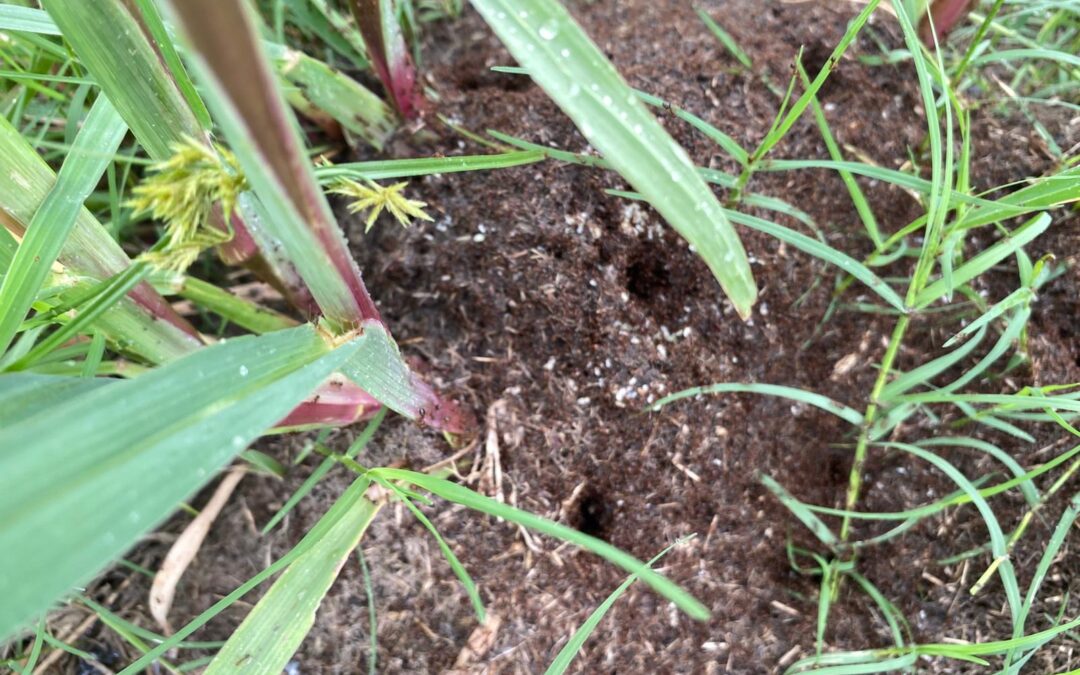
Fire ants do not appear out of nowhere. In most cases, infestations begin because colonies have been moved, disturbed, or unknowingly transported from one location to another. Understanding how fire ants spread is one of the most important steps in protecting your property.
Across South East Queensland, the movement of soil, mulch, turf, landscaping materials, and construction equipment continues to drive new infestations. For homeowners, builders, landscapers, and contractors, the risks are real. If fire ants are introduced onto a site, the consequences can include painful stings, environmental damage, and serious biosecurity obligations.
In this guide, we explain how fire ants spread, why fire ants in mulch across Brisbane has become a growing concern, and what practical steps you can take to prevent fire ants from establishing on your property.
Why Fire Ant Spread Is a Serious Issue in Brisbane
Brisbane’s climate provides ideal conditions for Red Imported Fire Ants to thrive. Warm temperatures, seasonal rainfall, and ongoing development activity create the perfect environment for colonies to expand.
Once established, fire ants can:
- Build large dome shaped mounds
- Spread rapidly across lawns and open land
- Swarm aggressively when disturbed
- Form new satellite colonies
If you are unsure whether you are dealing with native ants or Red Imported Fire Ants, our guide on how to identify fire ants in Brisbane, including photos and nest signs, explains the key differences in behaviour and mound structure.
Understanding how fire ants spread helps explain why new infestations continue to appear across residential suburbs and construction zones. If you are unsure whether you are dealing with native ants or Red Imported Fire Ants, our guide on how to identify fire ants in Brisbane, including photos and nest signs explains the major behavioural and mound differences to look for.
Soil Movement Is the Primary Way Fire Ants Spread
The most common way fire ants spread across Brisbane properties is through the movement of soil.
Fire ants nest underground. When soil is excavated, transported, or redistributed, entire colonies can be moved with it. This includes:
- Excavated soil from building sites
- Imported fill
- Trenching and earthworks
- Pool installations
- Retaining wall construction
- Driveway preparation
If contaminated soil is transported from a regulated area to a new site, it can introduce live fire ant colonies.
Developers and contractors operating in designated zones may have legal obligations to manage soil movement carefully. Our Biosecurity Compliance services support landowners and businesses in meeting Queensland fire ant regulations and reducing compliance risk. For projects operating within declared zones, our Biosecurity Compliance services help ensure soil movement and site works align with current Queensland fire ant regulations.
Fire Ants in Mulch in Brisbane: A Growing Concern
One of the most common questions we receive is whether fire ants can be present in landscaping materials. The answer is yes.
The issue of fire ants in mulch has become increasingly relevant because mulch, compost, and organic material can harbour ant colonies if sourced from infested areas.
Mulch piles provide:
- Moisture retention
- Shelter from extreme heat
- Organic matter
- Protection from disturbance
If mulch is transported without proper inspection or treatment, it can introduce fire ants into residential gardens, commercial properties, and public spaces.
Risk increases when:
- Bulk mulch is delivered from unknown sources
- Landscaping supplies are stored on open ground
- Materials are left undisturbed for extended periods
- Suppliers operate within regulated zones
Before spreading mulch across garden beds, always inspect for signs of dome shaped mounds or unusual ant activity. If you notice aggressive swarming behaviour, arrange professional inspection before disturbing the material.
Turf and Landscaping Supplies
New turf installation is another common pathway for fire ant spread.
Roll out turf is often harvested, stored, and transported across multiple locations. If the source site is infested, ants can be transported with the turf rolls and introduced to new lawns.
Similarly, pavers, retaining wall blocks, sand, and garden soil stored outdoors can become infested before delivery.
Landscapers and tradies should:
- Source materials from reputable suppliers
- Confirm whether materials originate from regulated areas
- Inspect loads before installation
- Avoid storing materials directly on bare soil
These preventative steps significantly reduce the risk of unintentionally spreading fire ants.
Construction Equipment and Machinery
Construction activity plays a major role in how fire ants spread.
Heavy machinery, excavators, skid steers, and trucks can transport soil stuck to tyres, tracks, and buckets. When equipment moves between sites without proper cleaning, contaminated soil can fall onto new properties.
High risk scenarios include:
- Machinery moving between regulated and non regulated zones
- Equipment parked on infested ground
- Shared machinery across multiple projects
- Large scale earthworks
Construction managers should implement cleaning protocols before relocating machinery. Proactive fire ant management at early project stages can prevent costly delays later.
Our Site Development Fire Ant Management services are designed specifically for construction and infrastructure projects operating within regulated areas.
Natural Spread After Rain
While human movement is the primary driver, fire ants can also spread naturally.
During heavy rainfall or flooding, fire ant colonies can float. Workers link together to form rafts that protect the queen. These rafts can travel across water and settle in new locations once conditions stabilise.
In Brisbane, intense storm activity can accelerate localised spread, particularly in low lying or flood prone areas.
After heavy rain, it is common to see new mounds appear in:
- Lawns
- Parklands
- Acreage properties
- Drainage zones
Property owners should inspect outdoor areas after significant rainfall events.
Risk Factors for Homeowners
Homeowners are often unaware of the ways fire ants spread onto residential properties. Common risk factors include:
- Bringing in bulk soil for landscaping
- Installing new turf
- Purchasing discounted mulch without checking source
- Living near active construction sites
- Residing in or near regulated fire ant zones
If you suspect infestation, avoid disturbing mounds yourself. Our article on fire ant nest removal and what homeowners should never do explains why incorrect treatment can worsen the problem.
Early identification and professional management reduce long term risk. For high risk properties, our residential fire ant treatment services help contain and eliminate infestations before they spread across neighbouring homes.
Risk Factors for Tradies and Contractors
Tradies and contractors face additional exposure because their work often involves soil disturbance and material transport.
High risk trades include:
- Landscapers
- Earthmoving contractors
- Pool installers
- Fence installers
- Plumbers conducting trenching
- Civil contractors
Without appropriate precautions, a single contaminated load of soil can introduce fire ants to multiple properties.
For commercial sites, proactive inspection and professional treatment are essential. Our Commercial Fire Ant Treatment services support businesses managing high traffic and high risk environments.
Practical Steps to Prevent Fire Ants
Understanding how fire ants spread is only part of the equation. The next step is knowing how to prevent fire ants from establishing on your property.
Here are practical prevention measures for Brisbane properties.
- Inspect Before You Move Soil – Before transporting soil, confirm whether the source site is within a regulated area. Check for visible mounds and aggressive ant activity.
- Source Materials Responsibly – Use reputable suppliers for mulch, turf, and fill. Ask about biosecurity protocols and origin locations.
- Avoid Disturbing Suspicious Mounds – If you notice dome shaped mounds without visible entrance holes, do not break them open. Disturbance can cause colonies to split and spread.
- Monitor After Landscaping – Inspect newly landscaped areas regularly for several weeks following installation.
- Clean Machinery – Remove soil from tyres, tracks, and equipment before moving between sites.
- Act Quickly – If you suspect fire ants, arrange professional assessment promptly to contain spread.
Why Early Intervention Matters
Fire ants reproduce quickly. A single colony can produce new queens that establish satellite nests nearby. What begins as one mound can develop into multiple colonies across a property.
Delays allow infestations to expand underground. The longer colonies remain undetected, the more complex and costly eradication becomes.
If you are unsure whether you are dealing with fire ants, our Fire Ant Treatment Services include species identification, compliant treatment, and long term management strategies tailored to Brisbane conditions.
Biosecurity Obligations in Brisbane
In certain zones across South East Queensland, fire ant management is not optional. It may be required under Queensland biosecurity laws.
Landowners, developers, and contractors operating within regulated areas must ensure they are not moving contaminated soil or materials unlawfully.
Recent updates to fire ant zones have impacted many suburbs. You can review the changes affecting residents and businesses in our article on fire ants in Brisbane and the 2026 biosecurity requirements. Proactive management reduces the risk of penalties and project delays.
Final Thoughts: Prevention Is Always Better Than Reaction
Fire ants do not spread randomly. In most cases, infestations are linked to soil movement, mulch transport, landscaping activity, or construction works.
Understanding how fire ants spread, being aware of risks such as fire ants in mulch Brisbane, and taking practical steps to prevent fire ants can protect your property and your community.
If you suspect an infestation or want to reduce risk before starting landscaping or construction work, professional assessment is the safest next step.
At The Fire Ant Guys, we specialise in compliant fire ant management across residential, commercial, and development sites throughout Brisbane and South East Queensland.
Early action protects your land, your project, and those around you.