Fire ants continue to pose a serious risk across South East Queensland, and 2026 brings updated biosecurity information that Brisbane residents should be aware of.
Each year, fire ant treatment zones and monitoring areas are reviewed based on new detections and eradication progress. If you live, own property, or manage land in Brisbane, these updates affect what you can move, what you must report, and how you stay compliant under Queensland biosecurity rules. Fire ant biosecurity zones are designed to prevent the spread of infestations. If you’re unsure how these zones affect your property, learn more about fire ant biosecurity zones.
This article outlines the 2026 fire ant updates, explains what they mean for Brisbane households, and how The Fire Ant Guys support residents through inspections, treatment, and compliance.
What’s changed in 2026?
In 2026, the Queensland Government has continued updating fire ant treatment zones and monitoring areas across Brisbane and surrounding regions.
These changes are driven by:
- New fire ant detections
- Ongoing surveillance and eradication efforts
- Risk assessments related to soil and material movement
As a result, some Brisbane suburbs may now be subject to stricter controls, while others remain under active monitoring.
Understanding fire ant biosecurity zones
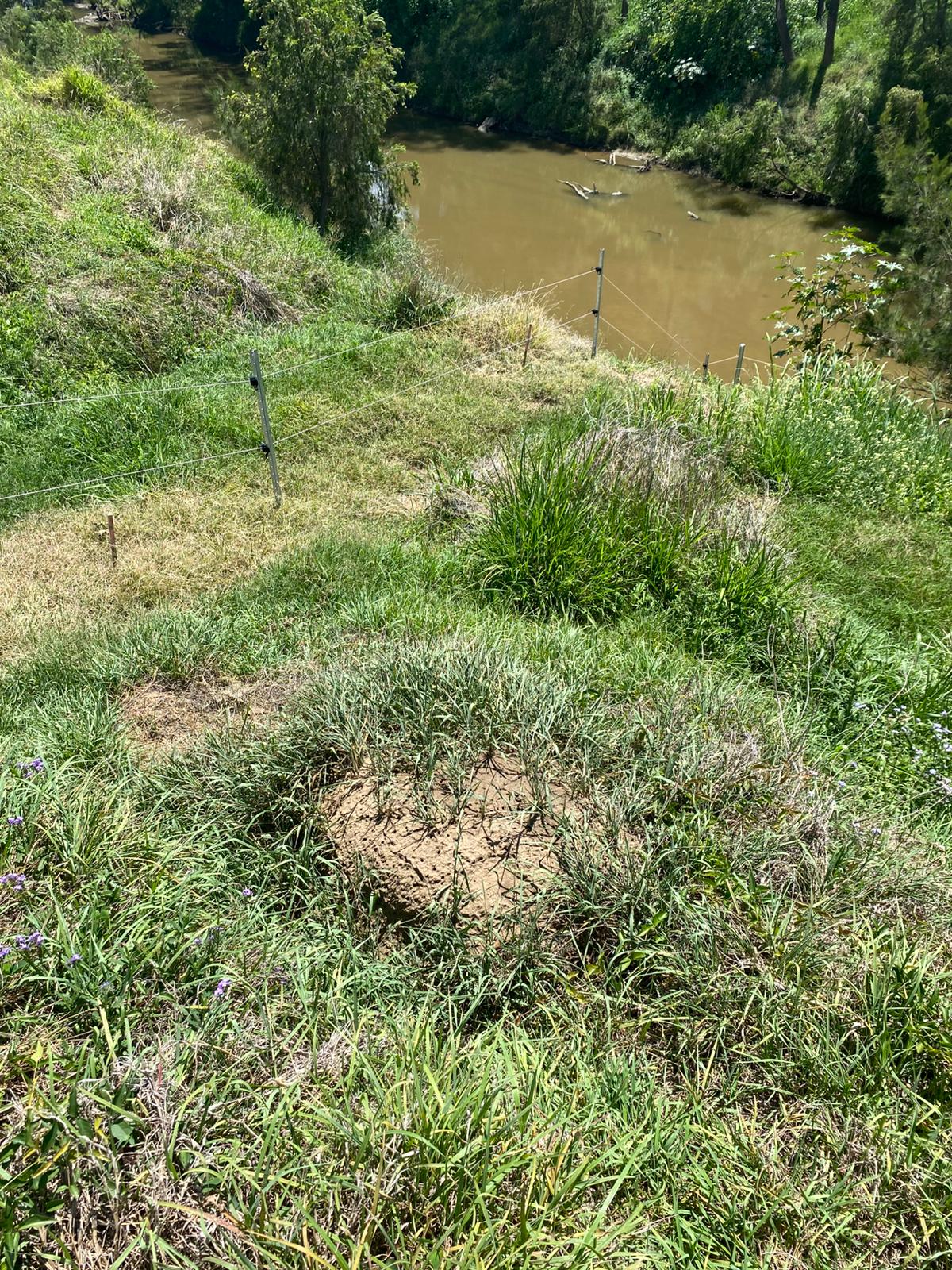
Fire ant biosecurity zones are designed to prevent the spread of infestations. If you’re unsure what these zones mean, here’s a simple explanation.
Treatment zones
Treatment zones are areas where fire ants have been confirmed.
If your property falls within a treatment zone:
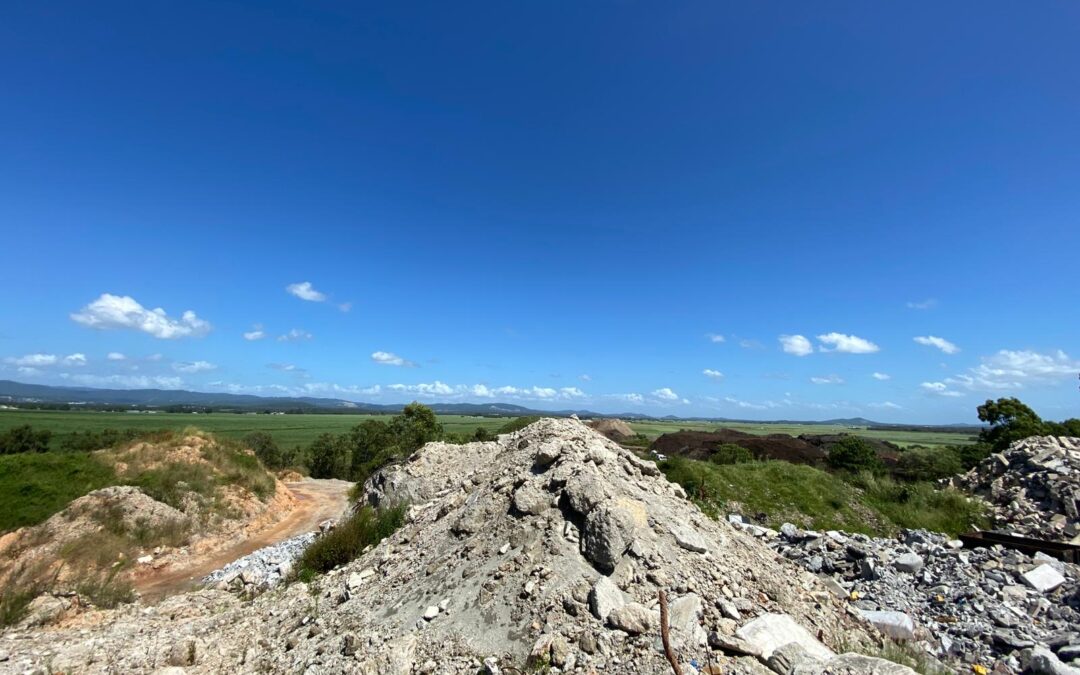
- Moving soil, turf, mulch, gravel, or similar materials is restricted
- Government-approved treatments may be carried out
- Suspected fire ant activity must be reported immediately
Monitoring areas
Monitoring areas surround known infestations and are closely watched.
In monitoring areas:
- Restrictions may still apply to soil and garden materials
- Inspections and surveillance are ongoing
- Early detection is critical to stopping spread
Even if your suburb isn’t currently listed, zones can change. That’s why keeping up to date in 2026 matters.
What Brisbane residents are responsible for
Fire ants are managed under Queensland biosecurity legislation. Homeowners, tenants, and property managers all have responsibilities.
These include:
- Reporting suspected fire ants as soon as possible
- Following movement restrictions if your property is in a declared zone
- Allowing access for inspections or treatment when required
- Taking reasonable steps to prevent the spread of fire ants
Ignoring these responsibilities doesn’t just risk fines and it increases the chance of fire ants spreading to new Brisbane neighbourhoods.
How to identify fire ants on your property
Fire ants can look similar to other ant species, but there are common warning signs:
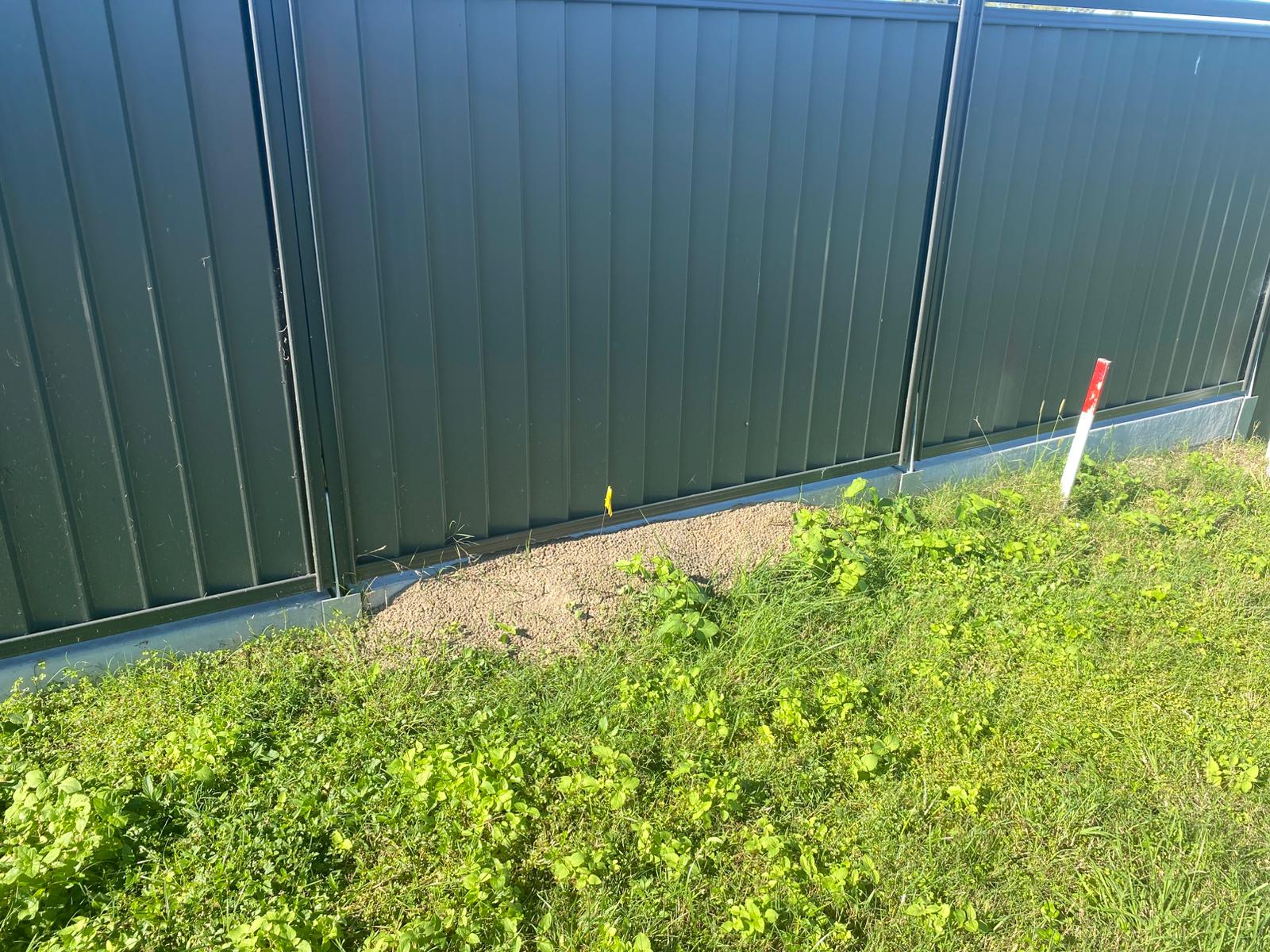
- Raised, crumbly soil mounds with no visible entry hole
- Aggressive swarming behaviour when disturbed
- Painful stings that can form white pustules or blisters
If you think you’ve found fire ants, avoid disturbing the area and arrange reporting or inspection as soon as possible. If you’re unsure, our guide on how to identify fire ants explains the key signs in more detail.
How The Fire Ant Guys help Brisbane homeowners
The Fire Ant Guys work with Brisbane residents to ensure fire ant issues are handled safely, correctly, and in line with biosecurity requirements.
Our services include:
- Property inspections and identification
- Advice on compliance within treatment or monitoring zones
- Support with safe treatment processes
- Guidance on reporting and next steps
Our focus isn’t just removal, it’s helping protect your property and the wider community while staying compliant with Queensland regulations.
Why the 2026 updates are important
Fire ant eradication relies heavily on awareness and cooperation. With ongoing development and landscaping activity across Brisbane, the risk of accidental spread remains high.
Understanding the 2026 biosecurity updates helps residents:
- Protect families, pets, and neighbours
- Avoid compliance issues
- Reduce the spread of fire ants across Brisbane
What to do if you’re unsure
If you’re not certain whether your property is affected by a treatment or monitoring zone, or if you’ve noticed suspicious ant activity, early action is always best.
The Fire Ant Guys are here to help Brisbane residents understand their obligations and take the correct steps under Queensland’s fire ant biosecurity program. Contact us today.